The strategic landscape of the Gulf has fundamentally changed following the Iran-Israel confrontation and the direct attacks against Gulf states in 2026. For decades, Gulf security depended primarily on external powers-especially the United States. Recent conflict has demonstrated both the strengths and limitations of this model.
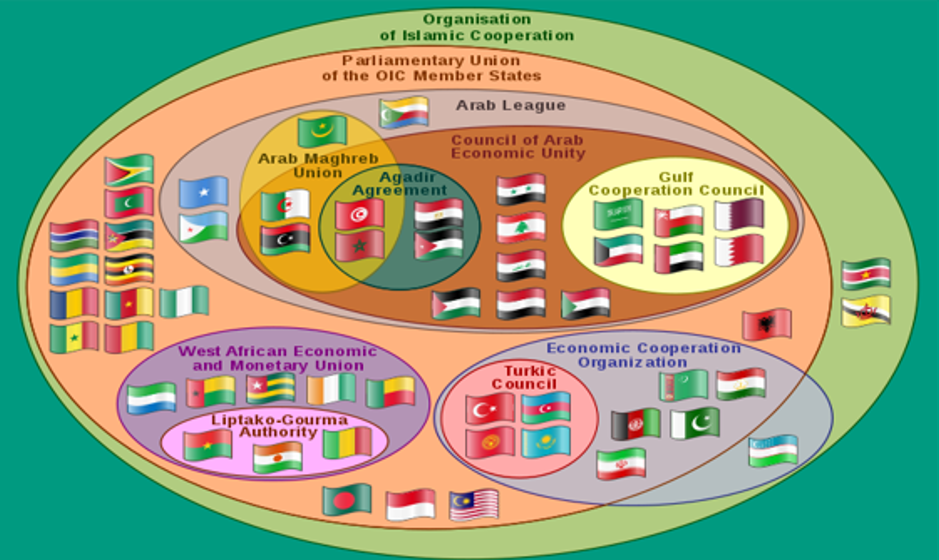
The Gulf Cooperation Council (GCC) successfully defended much of its critical infrastructure through integrated missile defence systems and close cooperation with the United States and other partners. Yet Gulf states were nevertheless drawn into a conflict they neither initiated nor controlled.
Advertisement
The central question is therefore no longer whether the Gulf can defend itself militarily, but whether it can develop a regional security order capable of sustaining peace while reducing its vulnerability to external great-power competition.
The answer emerging from recent developments is cautiously optimistic. The Gulf possesses unprecedented financial resources, political cohesion, military modernisation and diplomatic influence. Yet several structural obstacles remain, including unresolved regional rivalries, the Iranian challenge, the Palestinian issue, maritime insecurity and dependence on foreign military technology.
The most realistic path toward sustainable peace is not military dominance but a multilayered security architecture combining deterrence, diplomacy, economic integration and regional ownership.
I. Historical Evolution of Gulf Security
For nearly fifty years, Gulf security rested on three pillars:
- American military protection;
- oil-export stability; and
- bilateral defence agreements.
Major turning points included:
Advertisement
- the 1979 Iranian Revolution;
- the Iran-Iraq War;
- the Iraqi invasion of Kuwait;
- US intervention in Iraq;
- the Arab Spring;
- the Yemen conflict;
- the Abraham Accords; and
- the Iran-Israel confrontation.
Each crisis increased external military involvement while simultaneously exposing regional vulnerabilities.
The latest conflict differs because it directly targeted GCC infrastructure rather than proxy battlefields. The Gulf states have therefore entered a new strategic phase characterised by greater confidence, deeper regional coordination and a stronger emphasis on self-reliance.
Discuss in our Forums
See what other readers are saying about this article!
Click here to read & post comments.
1 post so far.




 reddit this
 Del.icio.us
 Seed Newsvine
 StumbleUpon